
Advanced Wound Care
Community Hospital-Fairfax’s Advanced Wound Care program uses a wide variety of modalities to treat complex wounds, including allograft. With wound care certified registered nurses on staff and an advanced practice nurse dedicated to the wound care program, patients receive high quality treatment to support the healing process.
The wound care program is appropriated for patients with complex defects or delayed healing, diabetic foot ulcers (DFUs), venous leg ulcers (VLUs), incisional dehiscence, skin tears, or decubitus ulcers.
For more information about the wound care program, call (660) 686-2335 or visit with your Community Hospital-Fairfax primary care provider at any of our six clinics.
Available: Weekday
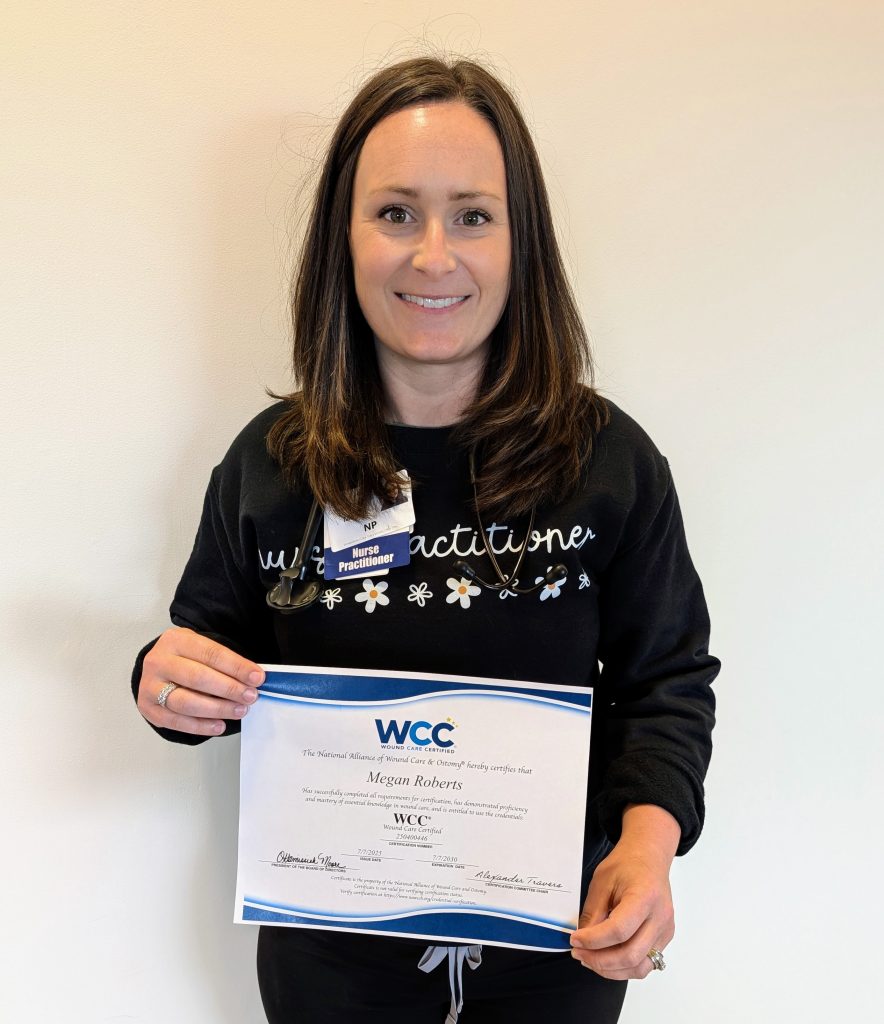
Megan Roberts, NP, WCC
About Advanced Wound Care
Chronic or non-healing wounds are a serious and often overlooked health concern affecting approximately 6.5 million Americans each year. Community Hospital – Fairfax is meeting this need through its Advanced Wound Care Clinic, offering specialized expertise, advanced diagnostics and evidence-based treatments to help patients heal faster and avoid serious complications.
A wound that hasn’t healed within four weeks is considered chronic or non-healing. Left untreated, these wounds can lead to infection, hospitalization, or even limb loss. Patients with underlying conditions such as diabetes, poor circulation, or compromised immune systems are particularly at risk.
Why Early Intervention Matters
Timely treatment can make a significant difference in outcomes. Studies show that with proper wound care, 70–80% of patients can achieve healing within two months, while delays can increase the risk of infection and other serious complications.
Early treatment can also play a critical role in preventing more severe outcomes, making it important not to ignore wounds that are slow to heal.
Common Misconceptions About Wounds
Unfortunately, delays in care are often caused by common misconceptions about how wounds should be treated at home. Many people wait to see if a wound will improve on its own or rely on familiar remedies that may slow recovery.
Common misconceptions include:
- Using hydrogen peroxide, which can damage healthy tissue needed for healing
- Overusing antibacterial ointments, which may irritate the skin and disrupt natural healing processes
- Misunderstanding what level of drainage is normal
- Mistaking inflammation for infection—or missing signs of infection altogether
The specialty-trained staff at Community Hospital – Fairfax can accurately assess wounds and create a personalized care plan for each patient.
Advanced Technology for Better Outcomes
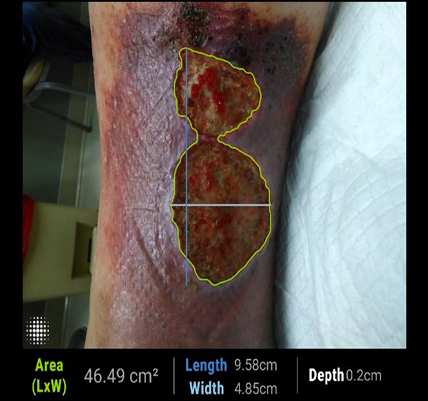
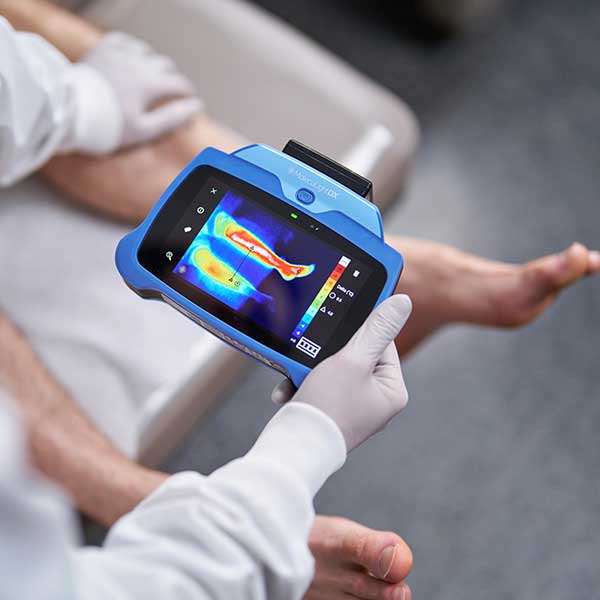
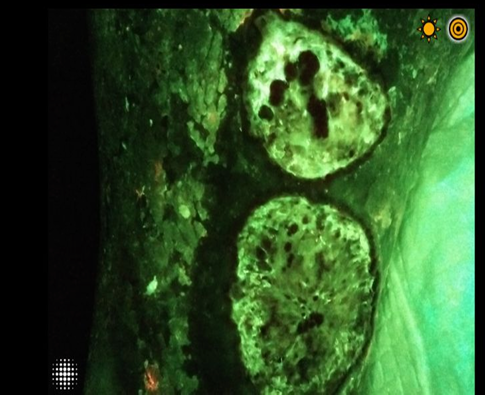
The Advanced Wound Care Clinic utilizes the latest tools and techniques to diagnose and monitor wounds, including the MolecuLightDX device. This innovative technology uses safe fluorescence imaging to:
- Provide precise and consistent wound measurements
- Track healing progress week over week
- Detect bacterial presence and biological load to determine risk for infection
- Assist clinicians with more effective debridement
- Guide targeted treatment decisions
This real-time insight allows providers to intervene quickly and tailor care plans for optimal healing.
A Comprehensive Approach to Healing
Healing a chronic wound takes more than standard bandages and dressings. Community Hospital – Fairfax offers a range of advanced therapies, including:
- Medical-grade honey: A sterile, filtered treatment that naturally debrides wounds, fights infection, reduces inflammation and promotes a moist healing environment
- Silver-based ointments and gels: Proven antimicrobial treatments used in burns and complex wounds
- Specialized tissue grafts: Made from donated umbilical and placental tissues, these treatments help stimulate tissue repair, reduce inflammation and support faster healing
In addition to advanced treatments, the clinic takes a team-based approach by coordinating care with other hospital services, including:
- Physical and Occupational Therapy to improve circulation and mobility
- Nutrition Services to develop high-protein diets that support tissue repair
- Senior Life Solutions to support mental health and overall wellness
These services work together to support healing and improve quality of life for patients.